Chess Sets for Kids
Shop chess sets on Amazon
SponsoredAs an Amazon Associate, Chess Set Station earns from qualifying purchases. See our affiliate disclosure for details.
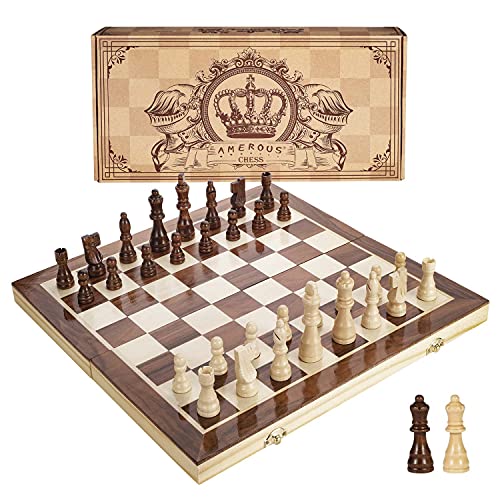
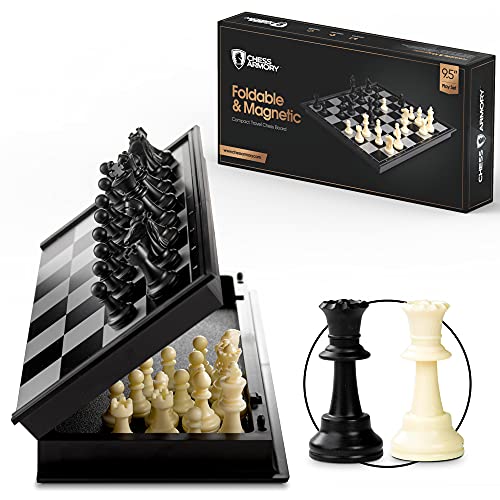


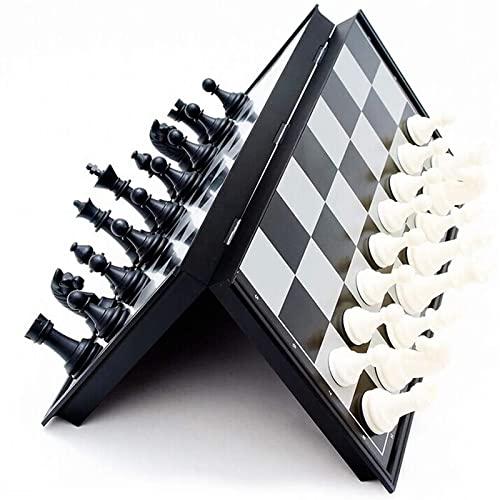
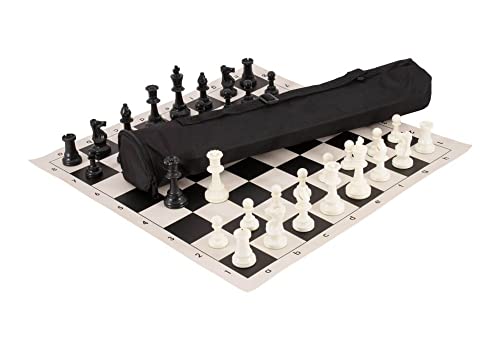

A chess set for a child needs to hold up to more enthusiastic handling than an adult set, and small pieces bring safety considerations that don't apply to sets meant for older players. Here's what to check before buying.
Safety comes first
Small pieces are a choking hazard for young children. Check the listing for any manufacturer age guidance and piece dimensions, and use your own judgment about a specific child's age and behavior — a set marketed generally as "kids' chess" isn't automatically appropriate for every young age group.
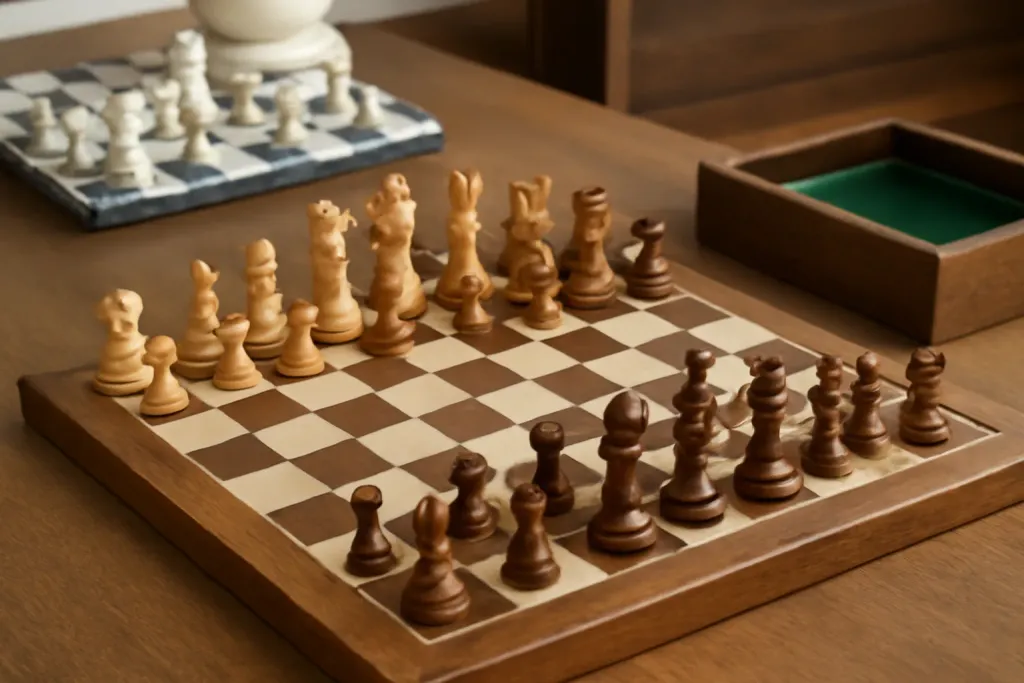
Piece size and handling
Larger, chunkier pieces are easier for small hands to grip and less likely to be lost. Some kids' sets deliberately use oversized pieces with wide, stable bases for exactly this reason. If a child is very young or still developing fine motor skills, prioritize size and stability over a more compact, "grown-up" look.
Durability for young players
Expect more drops, more knocks, and more curious handling than with an adult set. Solid plastic or thick, well-finished wood generally tolerates this better than delicate materials. Avoid glass, marble, or fragile decorative sets for young children regardless of how they're marketed.
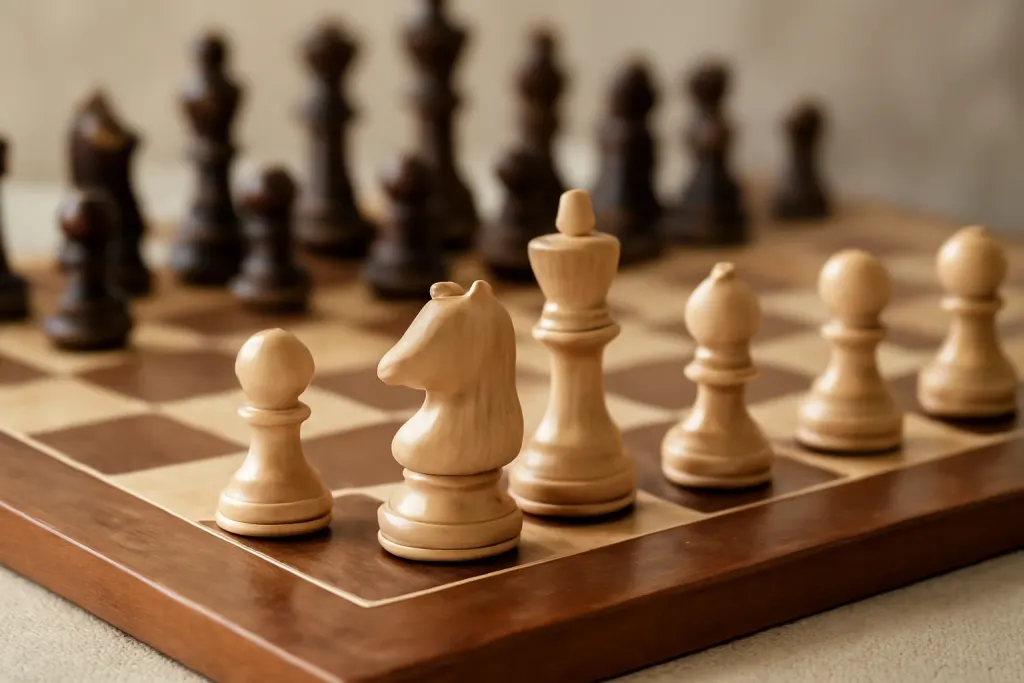
Sets built to help kids learn
Some sets marketed for kids include extras like a simplified rules card, piece-movement diagrams, or a beginner-friendly board layout guide. These can help a child (or a parent who's rusty on the rules) get started faster, though none of them are strictly necessary — a standard set plus a rules resource works just as well. See our general beginner chess set guide for what matters across all new players, not just kids.
General age guidance
There's no single official age cutoff for when a child can start with a standard-size set — it depends on the individual child's hand size, coordination, and interest in the game. As a general pattern, younger children often do better starting with larger, simpler pieces, while older kids can typically move to a standard club-size set without issue. When in doubt, check the specific product listing's age recommendation.
Browse chess sets suited to younger players.
See availability on AmazonFrequently asked questions
- What age can a child start playing chess?
- Many children start learning basic piece movement around ages 5 to 7, though this varies widely by child. Focus on the individual child's readiness rather than a fixed age.
- Are magnetic chess sets good for kids?
- They can help keep pieces in place during play, which some parents find useful, though magnetic pieces are sometimes smaller — check size and choking-hazard guidance for younger children.
- Should I buy a themed chess set to get a child interested?
- It can help with initial interest, but themed pieces sometimes depart from the standard Staunton shapes, which can make it harder to transition to standard sets later. A classic-shaped set in fun colors is often a good middle ground.