Best Chess Sets for Beginners
Shop chess sets on Amazon
SponsoredAs an Amazon Associate, Chess Set Station earns from qualifying purchases. See our affiliate disclosure for details.
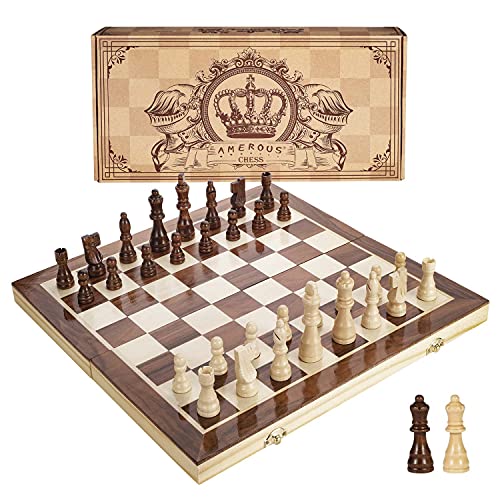
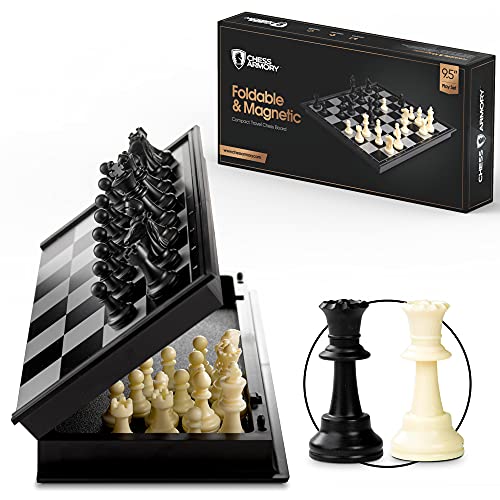


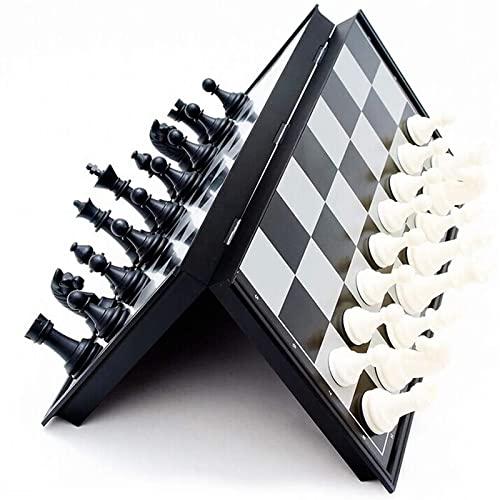
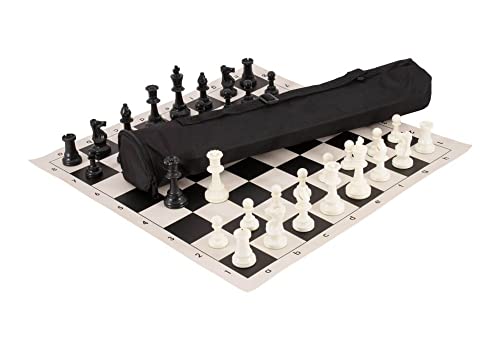

A first chess set doesn't need to be expensive or elaborate. It needs to make the game easier to learn, survive frequent handling, and not get in the way while a new player is still figuring out how pieces move.
What matters most for beginners
In rough order of importance for a first set: clear, easy-to-tell-apart piece shapes; a sturdy board and pieces that can handle repeated setup and knocks; a reasonable size that's comfortable to play on a table or desk; and, only after those, appearance. Ornate or unusual piece designs can actually slow down learning if it's hard to tell a bishop from a pawn at a glance.
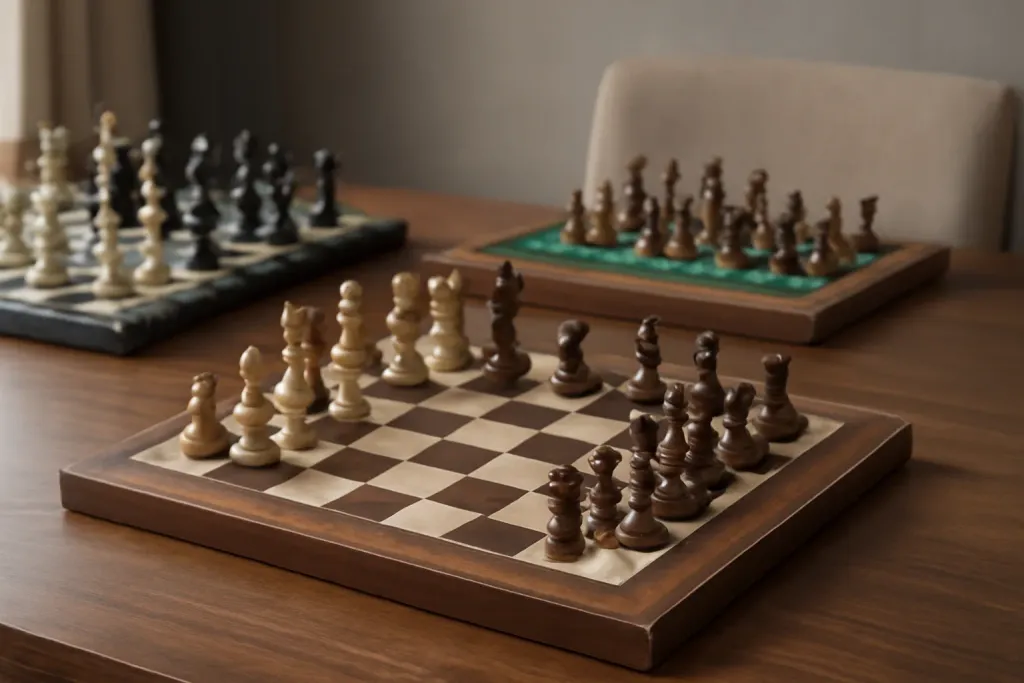
Piece clarity over piece beauty
Standard Staunton-style pieces exist for a reason: the silhouettes are distinct and consistent across sets, so a player who learns on one Staunton set can sit down at almost any other board and recognize every piece immediately. Save the artistic or themed sets for later once the basics are second nature.
Durability for a set that gets handled a lot
New players (especially kids) tend to handle pieces more — picking them up to look at them, practicing setups, sometimes dropping them. A durable plastic or solid wood set tolerates this far better than a delicate glass or thin veneer set. Felted bottoms on pieces also help protect the board over time.
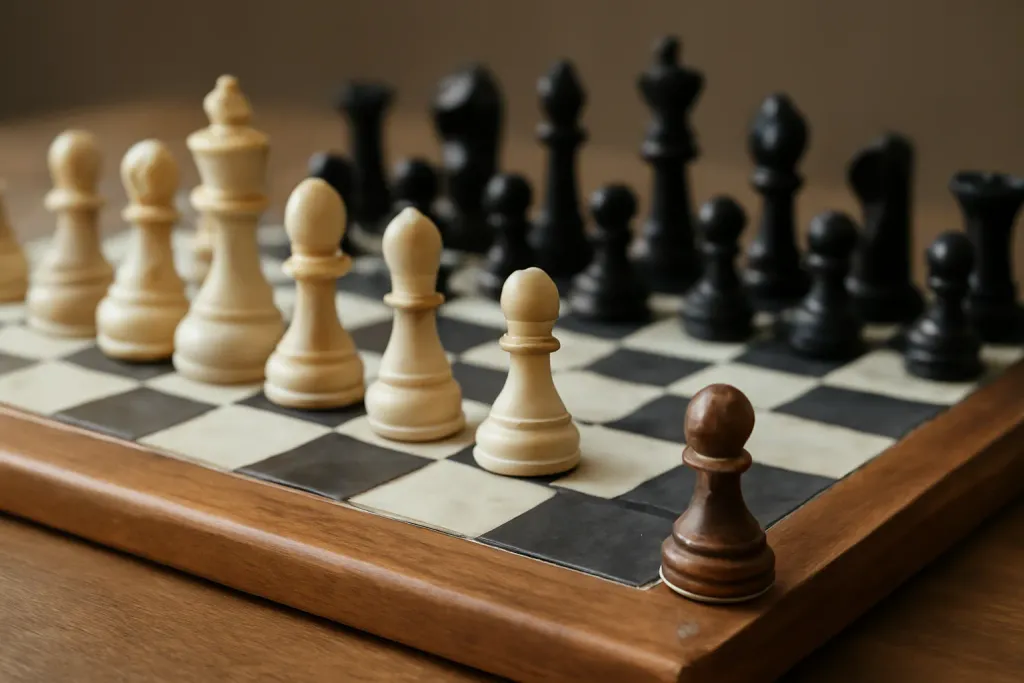
Common first-set mistakes
- Buying a display set to learn on. Luxury or marble sets are heavy, slippery, and not built for the wear of daily practice games.
- Buying pieces and board separately without checking proportions. Mismatched sizing makes the board look and feel wrong even if both pieces are individually fine.
- Going straight for a novelty theme. Movie- or character-themed pieces can make it harder to learn standard piece recognition.
- Ignoring piece storage. A set without a box or bag tends to lose pieces quickly, especially in a household with kids or pets.
When to upgrade to a tournament set
Once someone has learned the rules and is playing regularly — joining a club, entering local events, or studying seriously — it's usually worth moving to a weighted, Staunton-style tournament set. See our tournament chess set guide for what changes at that stage, and our general buying framework if you're still weighing categories.
Looking for a sturdy first set? Browse beginner-friendly options.
View on AmazonFrequently asked questions
- What size chess set is best for a beginner?
- A standard club size — roughly a 2 to 2.25 inch board square with a king around 3.75 to 4 inches tall — is comfortable for most new players and matches what they'll see at clubs or in books.
- Should a beginner set include a clock?
- Not necessarily at first. Clocks matter once a player starts timed games; see our digital chess clock buying guide when that becomes relevant.
- Is plastic or wood better for a first set?
- Both work well. Plastic is generally lighter and less expensive; wood tends to feel more substantial and can double as a longer-term set once the player progresses.