Wooden Chess Set Buying Guide
Shop chess sets on Amazon
SponsoredAs an Amazon Associate, Chess Set Station earns from qualifying purchases. See our affiliate disclosure for details.
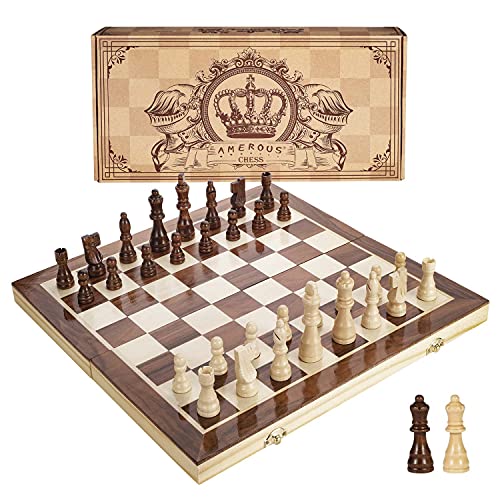
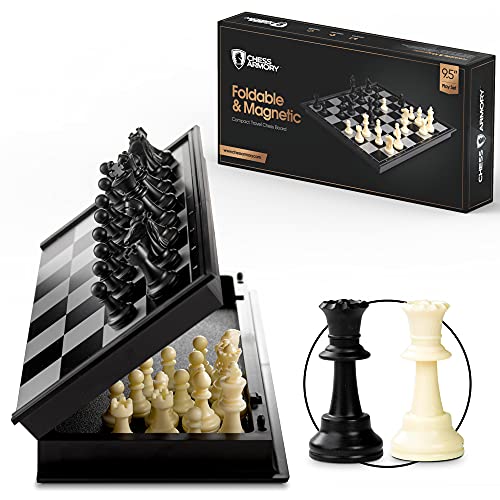


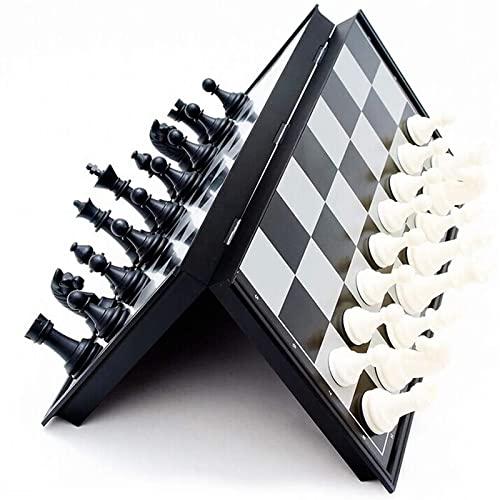
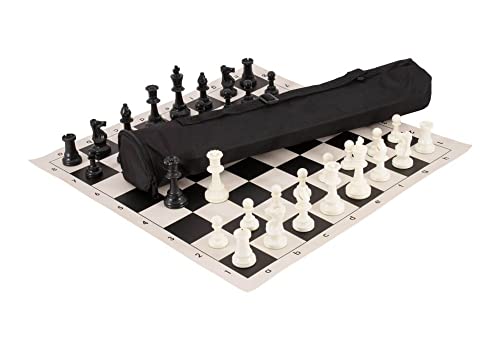

A wooden chess set is still the most common recommendation for a reason: it looks appropriate almost anywhere — home, office, club — and, when the wood and construction are decent, it can last for decades. This guide covers what to check on a listing before buying one.
Why wooden sets remain the default
Wood sits at a comfortable middle point between the durability of plastic and the fragility of glass or marble. It handles daily wear reasonably well, looks the part on a shelf, and is the material most closely associated with the classic Staunton design. See our marble vs. wooden comparison if you're weighing it against a display-focused material.
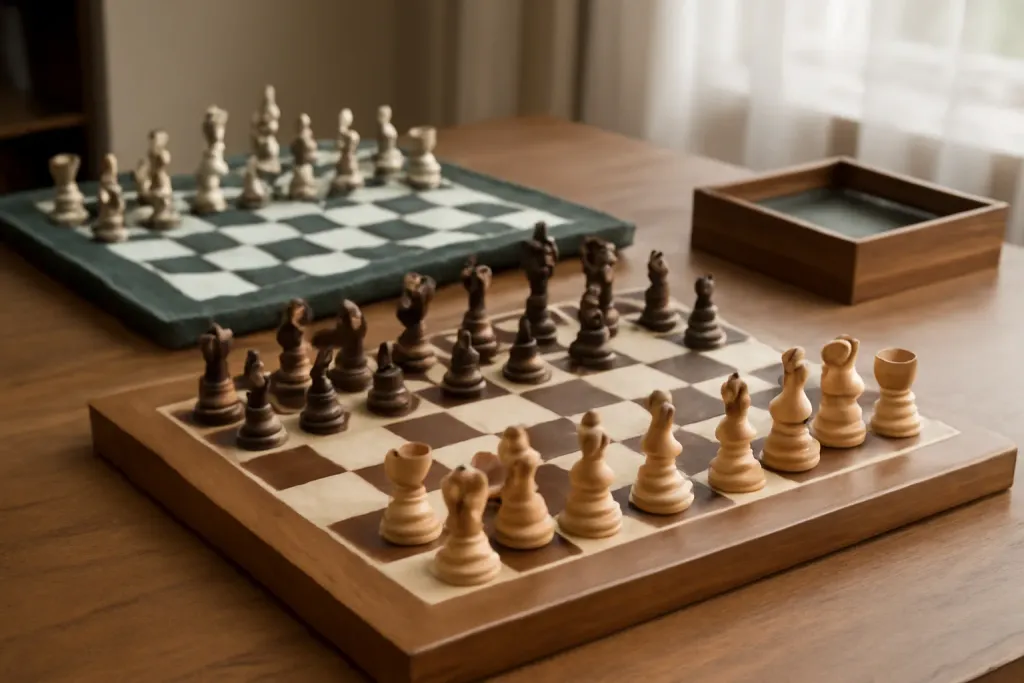
Hardwood vs. veneer boards
A solid hardwood board is built from real wood throughout; a veneer board has a thin layer of decorative wood glued over a cheaper core (often MDF or plywood). Veneer boards can look identical to solid hardwood in photos but are more prone to chipping at the edges and don't tolerate refinishing as well. Listings don't always state this clearly — reading the full product description, and any material specification field, is worth the extra minute.
Common woods used in chess sets
- Sheesham (Indian rosewood) — a common choice for the darker pieces and boards in mid-range sets, valued for its grain and durability.
- Acacia — durable and often used for both boards and pieces at a range of price points.
- Maple and boxwood — frequently used for the lighter pieces, prized for a pale, even color.
- Ebony or ebonized wood — used in higher-end sets for dark pieces; true ebony is dense and heavy, while "ebonized" wood is stained to resemble it at a lower cost.
Listings should specify which of these apply — if a listing is vague about material, treat that as a signal to look more closely or compare with a similar, more detailed listing.
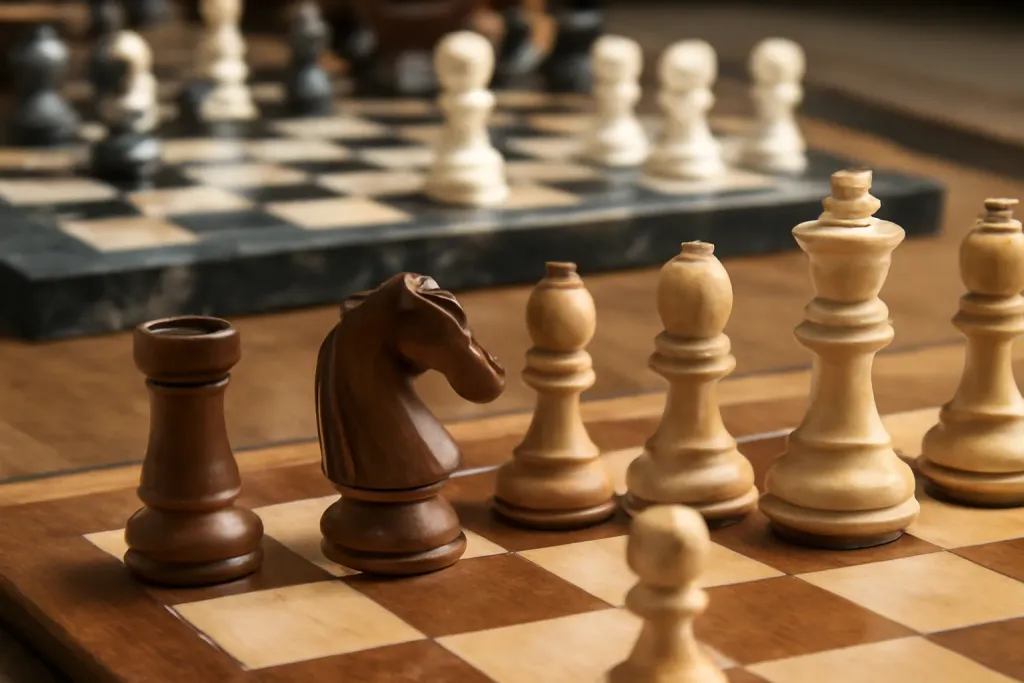
Folding vs. fixed boards
Folding wooden boards close like a book and often store the pieces inside, which is convenient if space is limited. Fixed boards are typically a single solid panel, which tends to be sturdier and lie flatter over time, but takes up permanent space and needs separate piece storage. Neither is objectively better — it depends on whether the board will live out on a table or get put away between games.
Basic care for wooden sets
Keep wooden boards and pieces out of direct sunlight and away from significant humidity changes, both of which can warp wood or fade finish over time. Wipe with a dry or barely damp cloth rather than soaking, and avoid household cleaning sprays on unfinished or oiled wood. Felt pads under pieces reduce scratching on the board surface during play.
See current wooden chess sets and boards.
Check price on AmazonFrequently asked questions
- How can I tell if a chess board is veneer or solid wood from a listing?
- Check the material specification field and full description for words like 'veneer,' 'MDF,' or 'engineered wood.' If the listing only says a wood species without clarifying construction, it's worth asking the seller or comparing with a similarly priced, more detailed listing.
- Do wooden chess pieces need to match the board's wood species?
- No — many sets deliberately pair two different woods (for example, a sheesham board with boxwood and ebonized pieces) for contrast. What matters more is that piece size fits the board's square size.
- Is a heavier wooden board better?
- Generally, yes for stability on a table, but very heavy boards can be impractical if you plan to move or store the set often. Match weight to how the board will actually be used.