How to Choose a Chess Set
Shop chess sets on Amazon
SponsoredAs an Amazon Associate, Chess Set Station earns from qualifying purchases. See our affiliate disclosure for details.
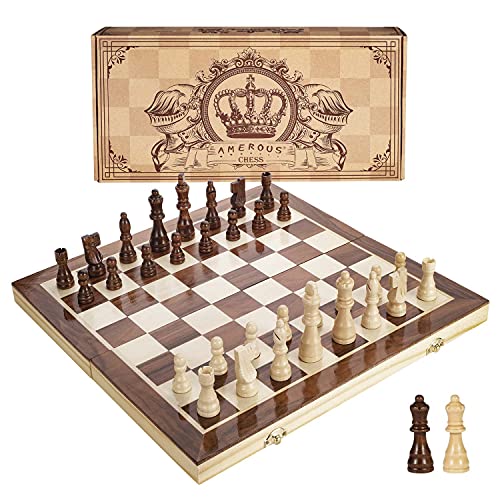
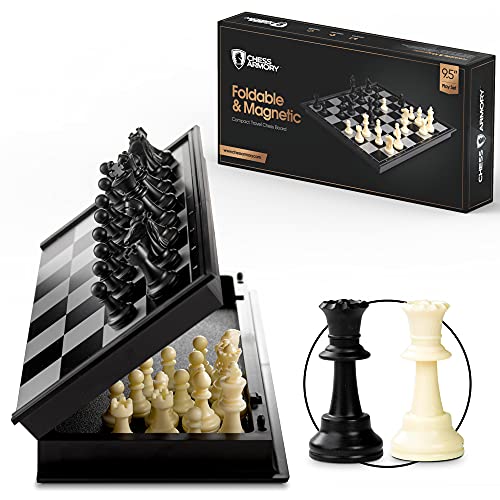


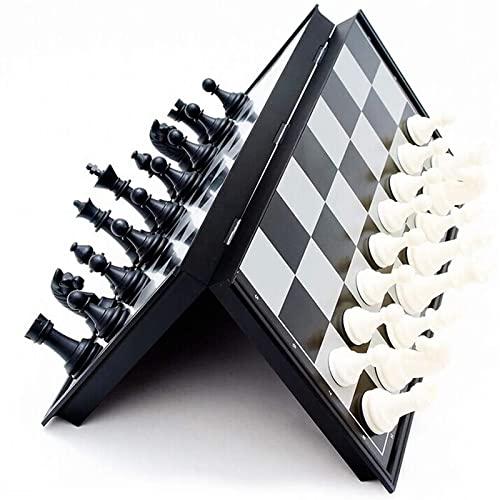
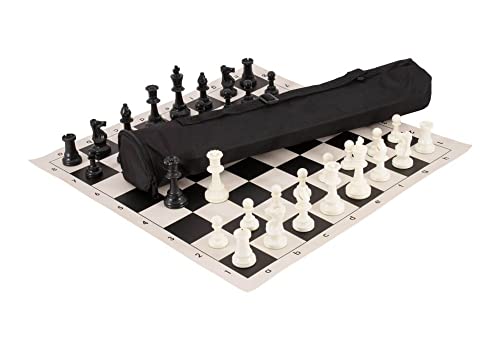

Most "best chess set" content jumps straight to product names. That skips the part that actually determines whether you'll be happy with a set: how, where, and with whom you're going to play. This guide walks through that decision before pointing you toward specific categories.
Start with how you'll use it
Chess sets are built around different priorities, and no single set is good at all of them. Before comparing materials or styles, be honest about the primary use case:
- Learning the game — durability and clarity of piece shapes matter more than looks. See our beginner chess set guide.
- Regular home or club play — a tournament-style set with weighted pieces tends to hold up best.
- Travel and casual games — a magnetic travel set beats a full-size board every time.
- Display or gifting — a luxury set in marble, glass, or fine wood is built to be looked at as much as played.
If more than one of these applies, it's usually better to buy two sets suited to each purpose than one set that compromises on both.
Board size and piece height
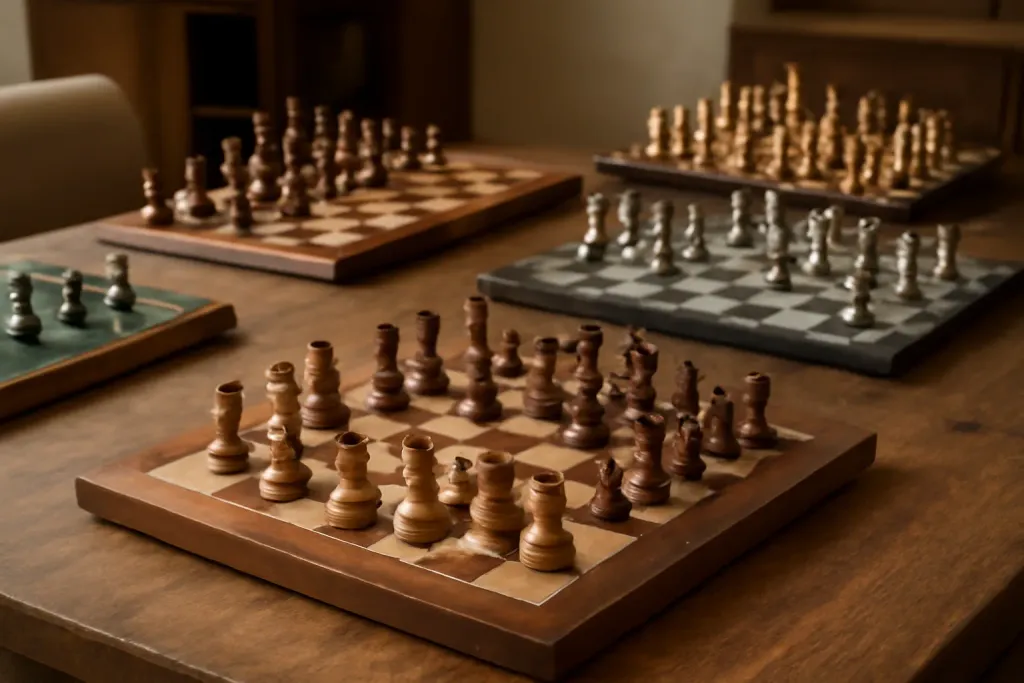
A comfortable set has pieces sized to fit its board. As a rough rule of thumb, a king's base diameter should be about 75–80% of the board square's width, and king height is often close to twice the square width. Sets sold together are usually matched correctly, but if you're buying a board and pieces separately, check the listed dimensions on both before ordering.
Material trade-offs
Material affects weight, feel, durability, and price expectations more than it affects how the game is played:
- Wood — the most common choice; see our wooden chess set buying guide for what to check.
- Plastic — light, inexpensive, and durable, common in beginner and school sets.
- Marble or glass — heavier, more fragile, and generally chosen for display; see our marble vs. wooden comparison.
- Metal-weighted plastic or wood — used in tournament-style pieces for a stable, substantial feel.
Who's actually playing
A set for a young child learning the rules has different requirements than a set for two adults playing timed games. Consider piece size (small pieces are a choking hazard for young children), how easily pieces tip over, and how forgiving the set is of rough handling. Our kids chess set guide covers this in more detail.

Setting a realistic budget
Prices on Amazon change often, so we don't quote fixed figures in our guides. As a general pattern, simple plastic or basic wooden sets tend to sit at the lower end, mid-range wooden and weighted tournament sets sit in the middle, and marble, glass, or elaborately finished sets sit higher. Our best chess sets under $100 guide looks specifically at that lower-to-mid range. Always check the live price on the actual listing before buying.
Quick pre-purchase checklist
- Have you picked a primary use case (learning, regular play, travel, or display)?
- Do the listed board and piece dimensions look proportional?
- Does the material fit where the set will actually live?
- If it's for a child, is the piece size and sturdiness appropriate?
- Have you checked the current price and availability on the listing itself?
Ready to compare specific sets? Start with our full chess sets category.
Check price on AmazonFrequently asked questions
- Is a more expensive chess set always better?
- Not necessarily. Price often reflects material and finish rather than how well a set suits your specific use case. A well-chosen mid-range set can outperform an expensive one that's the wrong fit.
- Can one chess set work for both travel and home use?
- It can, but usually with compromises in one direction. If you play often in both settings, a dedicated travel set and a separate home set typically works better than one set doing both jobs.
- Do I need a tournament-style set to play seriously?
- No. Tournament-style weighted sets are common at clubs and in serious study, but any well-made set with clear, stable pieces is fine for casual or intermediate play.