Hardwood Chess Boards: What Makes One Worth Buying
Browse our recommended products
Our featured picks refresh periodically. While we update them, our guides can help you find the right pick.
See our guidesUnderstanding Hardwood
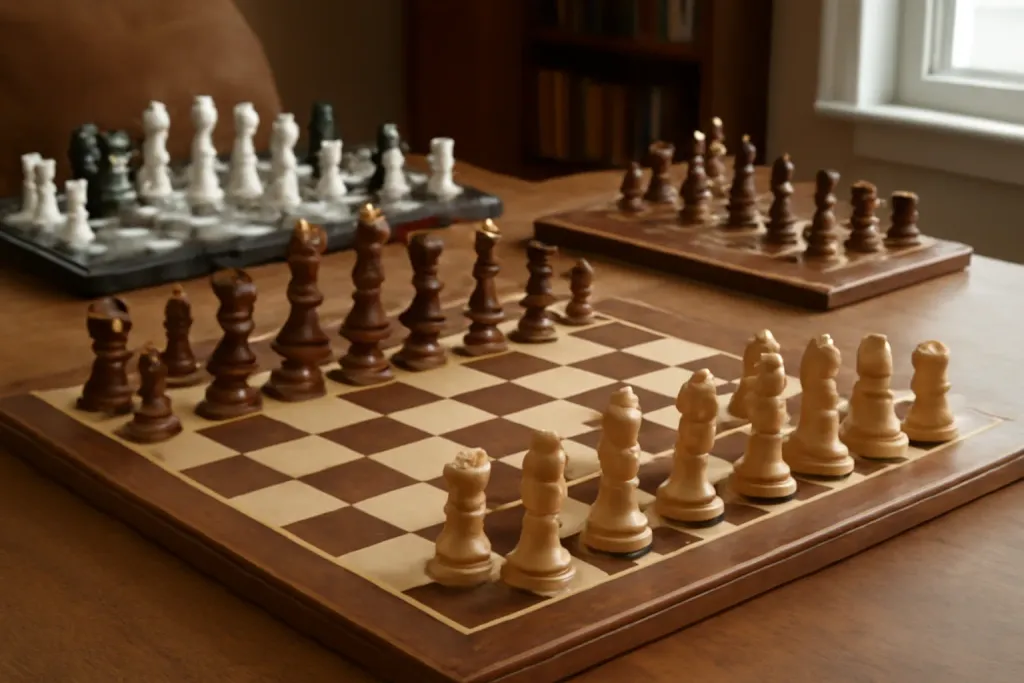
Hardwood chess boards are typically made from durable trees like maple, walnut, or mahogany. These woods are known for their strength and aesthetic appeal. When selecting a hardwood chess board, it's essential to consider the type of wood used, as different varieties can affect not only the board's appearance but also its longevity. For example, maple offers a light finish while walnut provides a rich, dark hue. The grain and color variations can make each board unique, adding to its charm.
Construction Quality
When evaluating a hardwood chess board, construction quality is critical. Look for boards that are made from solid hardwood rather than plywood or particle board. Solid wood ensures better durability and stability. Additionally, check for the board's thickness; a thicker board tends to be more stable and resistant to warping over time. Joints and seams should be tight and precise, avoiding gaps that could lead to damage or instability.
Finish and Protection
The finish on a hardwood chess board plays a significant role in its appearance and functionality. A high-quality finish not only enhances the wood's natural beauty but also provides protection against scratches and spills. Look for boards that are finished with a polyurethane or varnish that is both durable and easy to clean. A well-finished board can withstand years of use while maintaining its aesthetic appeal.
Size and Dimensions
Choosing the right size for your hardwood chess board is essential. Standard tournament chess boards typically measure 20 inches square, with each square measuring 2.25 inches. However, personal preferences may lead you to consider larger or smaller sizes. Ensure that the board you select accommodates your chess pieces comfortably, allowing for easy movement during play. Additionally, think about where you plan to store the board; a compact size may be necessary for limited space.
Design and Aesthetics
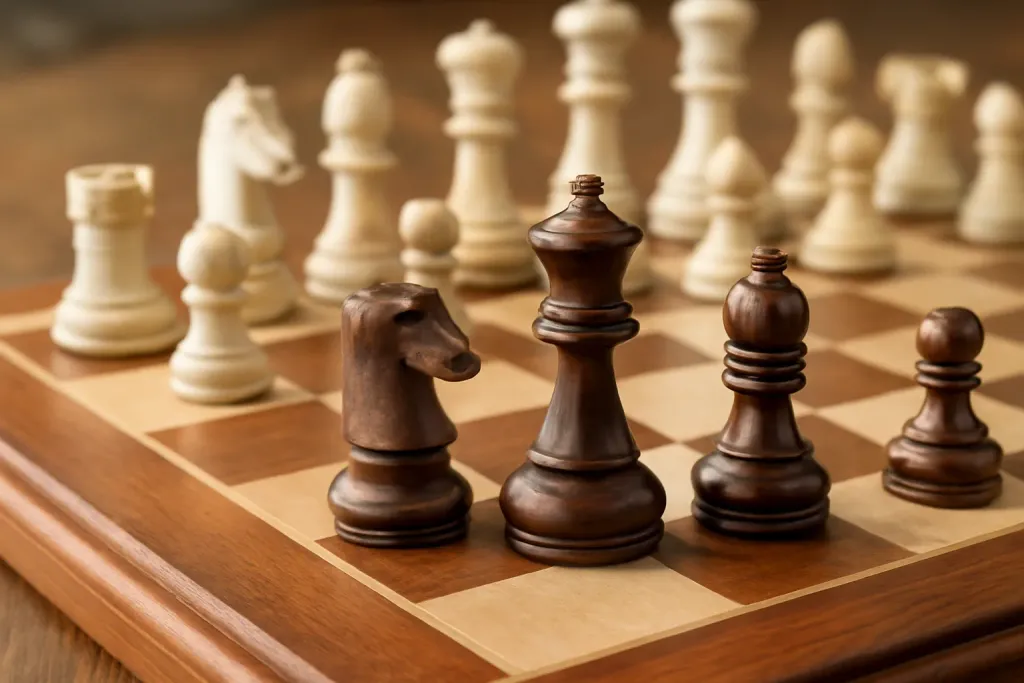
The design of a hardwood chess board can greatly influence your enjoyment of the game. Some boards feature intricate inlays or unique patterns that can enhance your playing experience. Consider whether you prefer a classic look or a more modern design. Aesthetic choices can also extend to the color of the squares; contrasting colors create a visually appealing layout that aids in gameplay. Ultimately, the design should resonate with your personal taste.
Price and Value
Hardwood chess boards vary widely in price, influenced by factors like wood type, craftsmanship, and size. While it may be tempting to opt for a cheaper board, investing in a quality board can pay off in longevity and enjoyment. A well-crafted hardwood chess board can enhance your overall experience and serve as a lasting piece of decor. Look for boards that offer a balance between quality materials and reasonable pricing to ensure you get good value.
Caring for Your Board
To maintain the beauty and integrity of your hardwood chess board, proper care is essential. Regularly clean the surface with a soft, dry cloth, and avoid using harsh chemicals that can damage the finish. If your board becomes stained, a gentle solution of mild soap and water can be used, followed by thorough drying. Additionally, consider applying a wood conditioner periodically to keep the wood hydrated and looking its best.
Frequently asked questions
- What is the difference between hardwood and softwood chess boards?
- Hardwood chess boards are made from dense trees like oak or maple, making them more durable and stable, while softwood boards are less durable and more prone to damage.
- How can I tell if a hardwood chess board is of good quality?
- Look for solid wood construction, a smooth finish, and precise edges. Quality boards will also have a consistent grain pattern and no visible gaps.
- Are there specific wood types recommended for chess boards?
- Popular choices include maple for light squares and walnut for dark squares, as they provide a classic contrast and are durable for extended use.
- Can I use regular wood cleaners on my hardwood chess board?
- It is best to avoid regular wood cleaners, especially those with harsh chemicals. Use a soft cloth and a gentle soap solution for cleaning.
- Is it necessary to apply a finish to a hardwood chess board?
- Yes, a finish protects the wood from scratches and spills, enhances its appearance, and helps maintain the board's condition over time.